
If you have ever designed an electronic product that worked perfectly on the bench but became a nightmare in production, you already understand why Design for Manufacturability matters. DFM is the engineering discipline that bridges the gap between a brilliant prototype and a product that can be built reliably, at scale, and at a cost that makes business sense.
What Is Design for Manufacturability?
Design for Manufacturability — often abbreviated DFM or sometimes DFx when it includes testability and assembly considerations — is a set of engineering principles and practices that optimize a product design for efficient, high-quality manufacturing. Rather than designing a product in isolation and then figuring out how to build it, DFM integrates manufacturing considerations into every stage of the design process.
For electronics specifically, DFM encompasses PCB layout decisions, component selection, assembly process compatibility, thermal management, and test access. The goal is simple: design products that are easy to build correctly and hard to build incorrectly.

Why DFM Matters for Custom Electronics
The cost of design changes increases exponentially as a product moves through its lifecycle. A change during schematic review might cost nothing beyond an engineer's time. The same change discovered during production could require new tooling, updated documentation, reworked inventory, and production line downtime. DFM catches these issues early, when they are cheapest to fix.
Cost Reduction
Proper DFM analysis typically reduces manufacturing costs by 10-30%. This comes from optimized component selection, reduced manual assembly steps, fewer solder defects, and higher first-pass yields. When you design with standard component packages, maintain appropriate clearances, and avoid unnecessarily tight tolerances, every board costs less to build.
Quality Improvement
Manufacturing defects rarely come from random failures. They come from designs that are difficult to assemble correctly. Tombstoned capacitors happen because the pad geometry creates uneven thermal mass during reflow. Solder bridges occur because pin pitches are too tight for the paste printing process. DFM guidelines prevent these systematic failures before they happen.
Faster Time to Market
A design that passes DFM review moves from prototype to production with minimal iteration. Without DFM, the typical cycle involves building prototypes, discovering manufacturing issues, redesigning, building more prototypes, and repeating until the problems are solved. Each iteration adds weeks or months to the schedule.
Key DFM Principles for PCB Design
Component Selection
Choose components that are readily available from multiple suppliers. Avoid obsolete or end-of-life parts. Prefer standard package sizes (0603 or larger for passives) and industry-standard footprints. Consider the assembly process — if your product will be built with SMT assembly, avoid mixing in unnecessary through-hole components.
PCB Layout Rules
Maintain minimum trace widths and spacing appropriate for your fabrication vendor's capabilities. Provide adequate annular rings for vias. Keep components away from board edges with at least 100 mil clearance. Orient similar components consistently to simplify inspection. Group components by function to aid troubleshooting.
Thermal Considerations
Heat-generating components need adequate copper area for thermal dissipation. Thermal relief patterns on ground connections prevent cold solder joints during wave soldering. Power planes should be properly sized for current-carrying requirements. Consider the thermal profile of the entire assembly during reflow.
Test Access
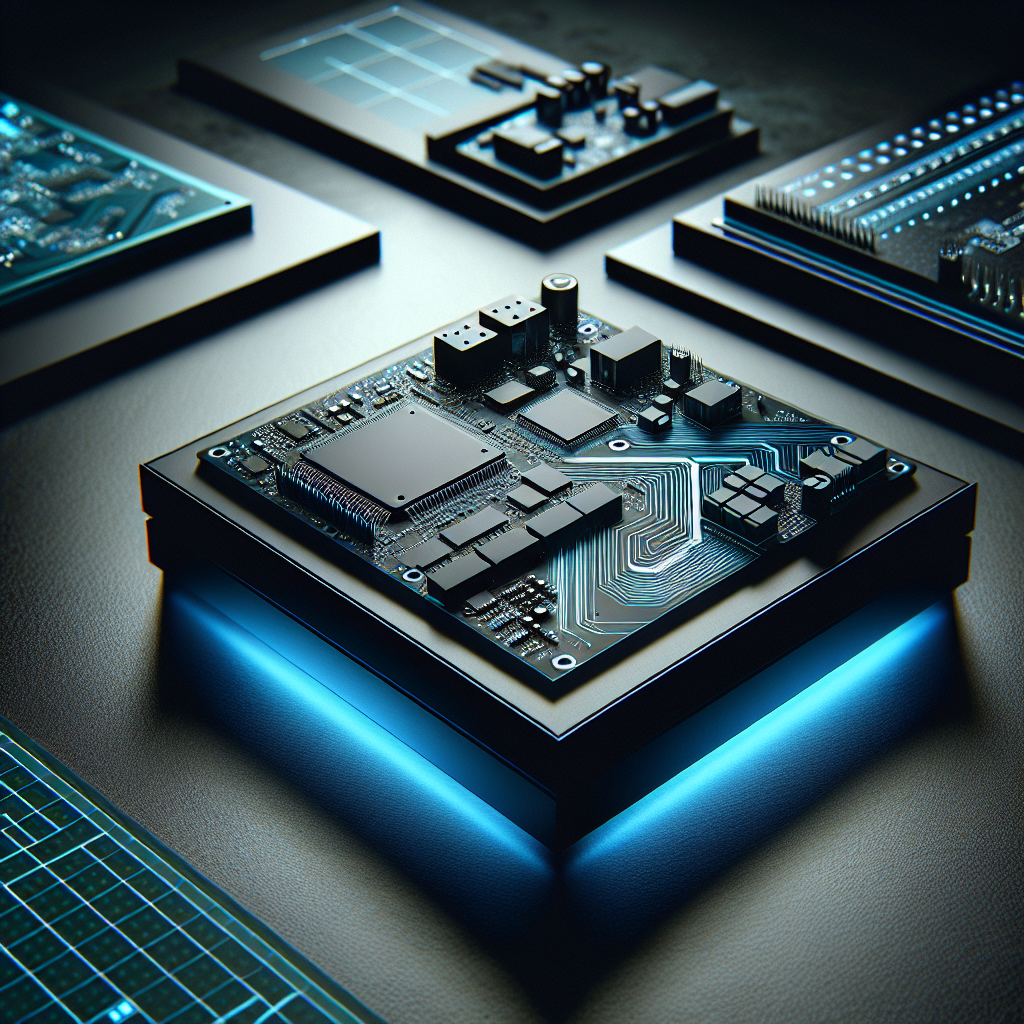
Design for testability is a critical subset of DFM. Include test points on critical signals. Maintain access for bed-of-nails fixtures or flying probe testers. Provide JTAG or serial debug headers for firmware testing. A comprehensive test strategy designed in from the start catches defects before they ship.
The DFM Review Process
A proper DFM review happens before fabrication files are released. The manufacturing engineer reviews the design for potential issues and provides feedback to the design team. At Roanoke Electronic Controls, our DFM review covers panelization, stencil design, component placement, solder joint reliability, and automated inspection compatibility.
Common issues caught during DFM review include insufficient solder paste apertures, components too close together for rework, missing fiducial markers for pick-and-place alignment, and silkscreen overlapping pads. Each of these issues, if missed, would cause production problems.
DFM in Practice: A Real-World Example
Consider a customer who designed a temperature controller for industrial ovens. The original design used a fine-pitch QFP package for the main processor, 0402 passives throughout, and a custom connector footprint. During DFM review, we recommended changing to a QFN package with exposed pad for better thermal performance, upsizing to 0603 passives for improved assembly yields, and switching to a standard connector series with better availability.
These changes did not affect the product's functionality, but they reduced assembly defects by 85% and cut component costs by 15%. The product launched on schedule and has maintained a 99.7% first-pass yield through years of production.
Getting Started with DFM
The best time to think about manufacturability is at the beginning of your design project, not at the end. If you are developing a custom electronic product, talk to your manufacturer early. A good contract electronics manufacturer will participate in design reviews and provide DFM guidelines specific to their capabilities.
At Roanoke Electronic Controls, DFM is not an afterthought — it is integrated into our design and manufacturing process from day one. Whether you are bringing us a completed design for production or starting from a concept, our engineering team helps ensure your product is designed for reliable, cost-effective manufacturing.
Ready to Build Your Custom Electronics?
From concept to production, Roanoke Electronic Controls delivers complete custom electronics manufacturing solutions.
Request a Quote