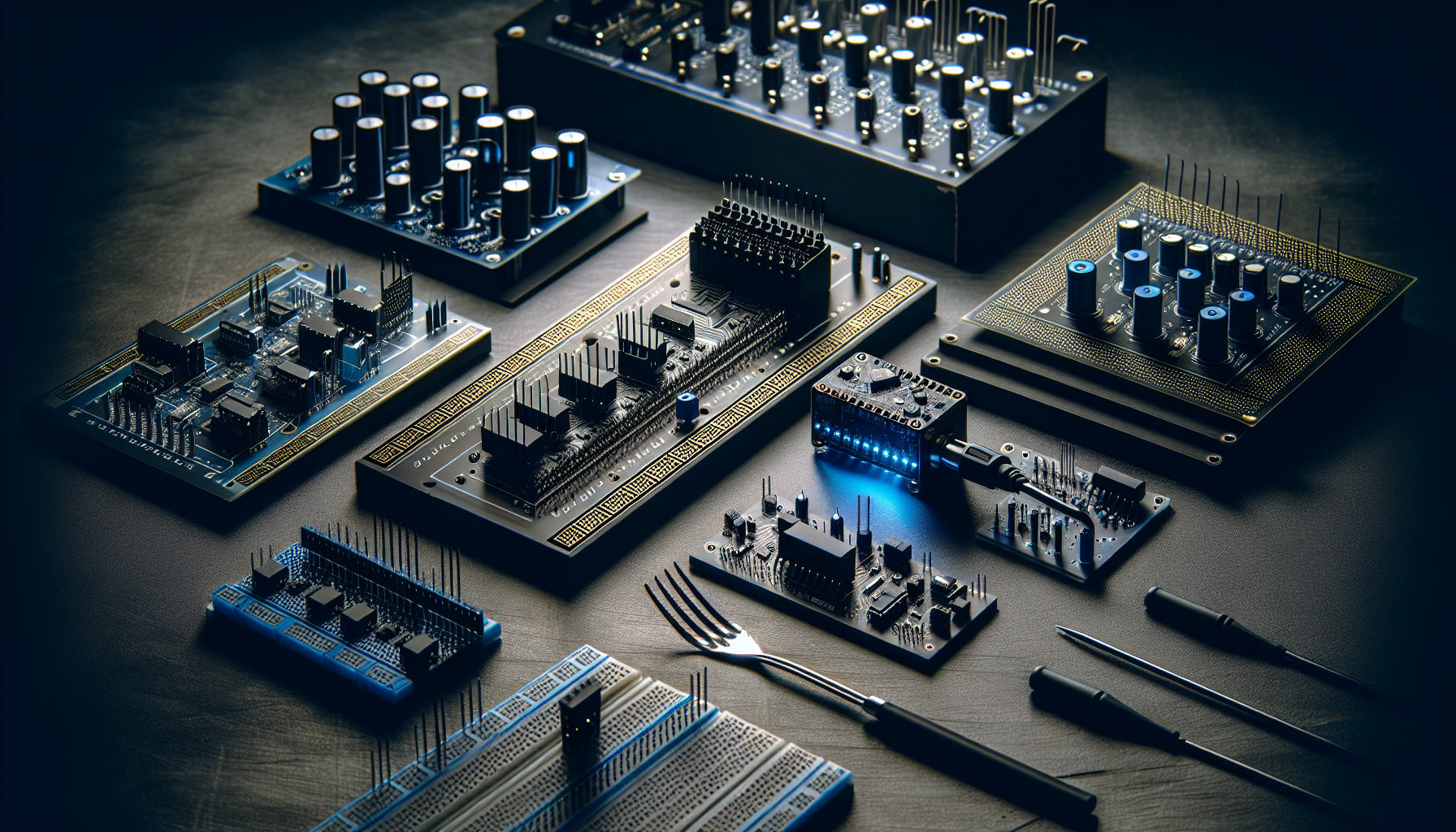
You have a working prototype. It sits on your bench, doing exactly what it is supposed to do. Now what? The journey from that single working unit to reliable volume production is where many electronics projects stall, overspend, or fail. Understanding the path ahead helps you navigate it successfully.
The Production Readiness Gap
A prototype proves that a concept works. Production proves that a concept works reliably, at scale, at a target cost, thousands of times in a row. These are fundamentally different challenges. The prototype might have hand-soldered rework, bodge wires, and components selected for function rather than availability. None of that survives the transition to manufacturing.
The gap between prototype and production is not just technical. It encompasses documentation, supply chain, quality systems, and test strategies that transform a one-off into a repeatable product.

Stage 1: Design Review and DFM
The first step is a thorough design for manufacturability review. A manufacturing engineer examines every aspect of your design through the lens of production feasibility. Component footprints are verified against manufacturer recommendations. Trace widths and spacing are checked against fabrication capabilities. Assembly processes are evaluated for compatibility with the design choices.
This stage typically reveals issues that work fine in a prototype but cause problems at scale: components too close together for automated inspection, pad geometries that cause systematic solder defects, or part numbers that are single-sourced or approaching end of life.
Stage 2: Engineering Prototypes
Engineering prototypes are built using production-intent processes. That means machine-placed components, reflow-soldered assemblies, and fabricated PCBs from the actual production vendor. The purpose is to validate that the design works when built the same way it will be built in production.
Typically 5 to 25 units are built in this stage. They undergo full functional testing, environmental stress testing, and regulatory pre-compliance testing. Any design changes resulting from this stage feed back through another DFM review.
Stage 3: Pilot Production
A pilot run produces 25 to 100 units using the full production process at production speed. This validates not just the product but the manufacturing process itself. Are the pick-and-place programs running without errors? Is the test fixture catching the right defects? Can operators follow the work instructions without confusion?
Process capability is measured during the pilot. If a test parameter shows marginal results, the design or test limits need adjustment before full production. Statistical process control begins here, establishing baselines that will be monitored throughout the production lifecycle.
Stage 4: Production Launch
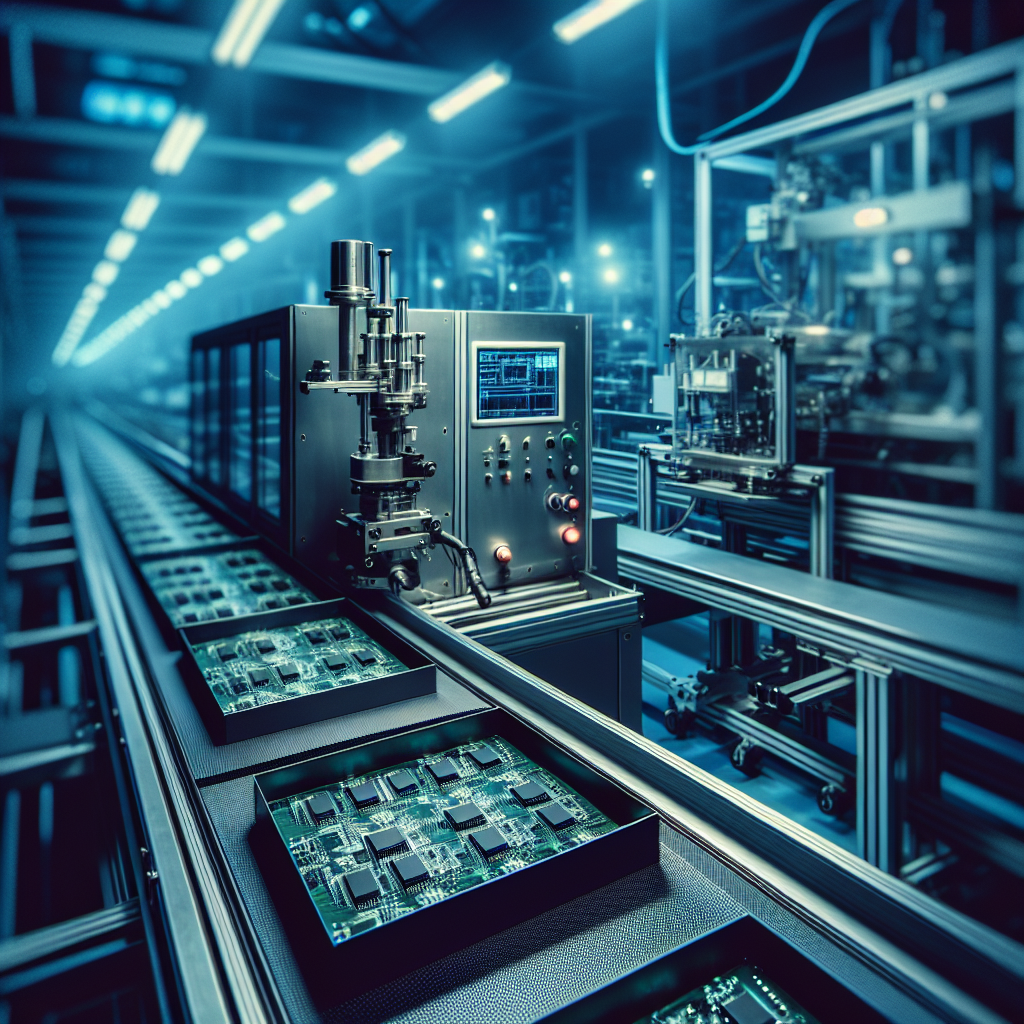
Full production begins with all documentation finalized, processes validated, and quality systems in place. First-article inspection of the initial production units verifies conformance to all specifications. From this point, the product is in steady-state manufacturing with ongoing process monitoring and periodic quality reviews.
Common Pitfalls to Avoid
Skipping the Pilot
Pressure to meet a launch date tempts teams to jump from prototype directly to volume production. This almost always costs more time and money in the end. Production issues that would have been caught in a small pilot run instead contaminate hundreds or thousands of units.
Incomplete Documentation
The manufacturing team cannot read the designer's mind. Complete assembly drawings, BOM with approved alternates, test specifications with pass/fail criteria, and packaging instructions must all be defined and documented. Ambiguity in documentation creates defects in production.
Single-Source Components
A design built on a single-source component is vulnerable to supply disruption. For every critical component, identify and qualify at least one alternate source. This does not mean selecting the alternate during design — it means confirming that a suitable alternate exists and noting it on the BOM.
Underestimating Test Development
Production test fixtures and procedures require significant engineering investment. They must reliably distinguish good units from bad units at production speed. Test development should begin during the engineering prototype stage, not after production launch.
Choosing the Right Partner
The prototype-to-production transition is where choosing the right contract manufacturer matters most. A manufacturer who participates in your design review, understands your DFM challenges, and has experience scaling similar products adds enormous value.
At Roanoke Electronic Controls, we partner with customers through every stage of this journey. Our engineering team contributes to design reviews, builds engineering prototypes on production equipment, and provides the quality infrastructure for reliable manufacturing. Contact us to discuss your production path.
Ready to Build Your Custom Electronics?
From concept to production, Roanoke Electronic Controls delivers complete custom electronics manufacturing solutions.
Request a Quote