Surface Mount Technology dominates modern electronics manufacturing, but through-hole assembly has not disappeared. Understanding the strengths and limitations of each process — and when to use both — directly impacts your product's cost, reliability, and manufacturing efficiency.
Surface Mount Technology (SMT)
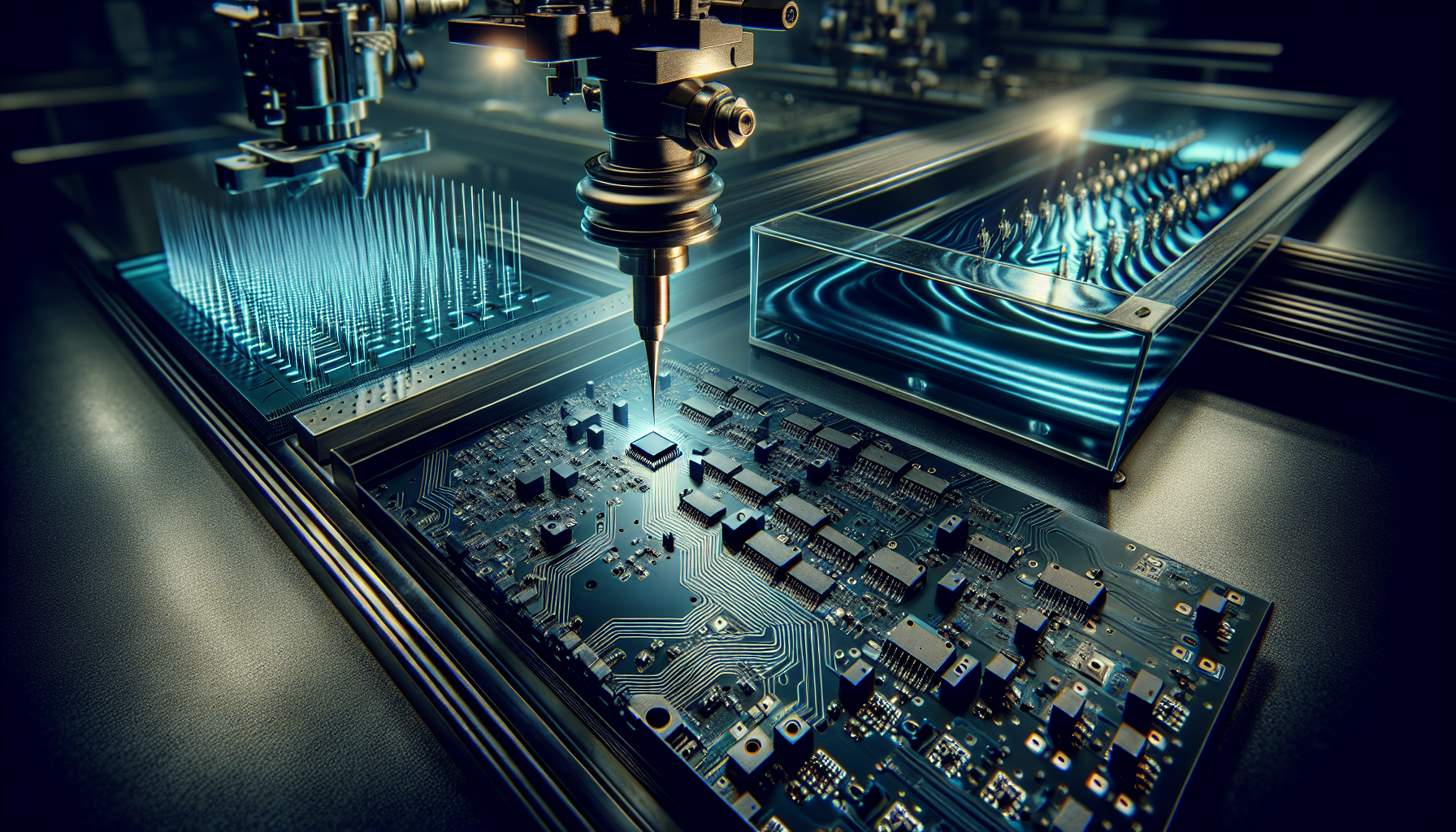
SMT components mount directly to the surface of the PCB. A pick-and-place machine positions each component on solder paste deposited through a stencil, and the entire board passes through a reflow oven that simultaneously solders every joint. Modern SMT lines place thousands of components per hour with placement accuracy measured in microns.
SMT Advantages
Smaller board size is the most obvious advantage. SMT components are dramatically smaller than their through-hole equivalents. A 0402 resistor measures just 1.0 x 0.5mm, compared to a through-hole axial resistor that might span 10mm or more. This miniaturization enables smaller products and more functionality per square centimeter of board area.
Higher assembly speed translates directly to lower labor cost per board. Automated SMT placement is 10-50 times faster than manual through-hole insertion. For production volumes, this speed advantage is the primary economic driver toward SMT.
Better high-frequency performance comes from shorter lead lengths and smaller parasitic inductance and capacitance. For any signal path operating above a few megahertz, SMT components provide measurably better electrical performance than through-hole equivalents.
Double-sided assembly is straightforward with SMT. Components can be placed on both sides of the board, effectively doubling the available real estate. Through-hole components are generally limited to one side.
Through-Hole Technology (THT)
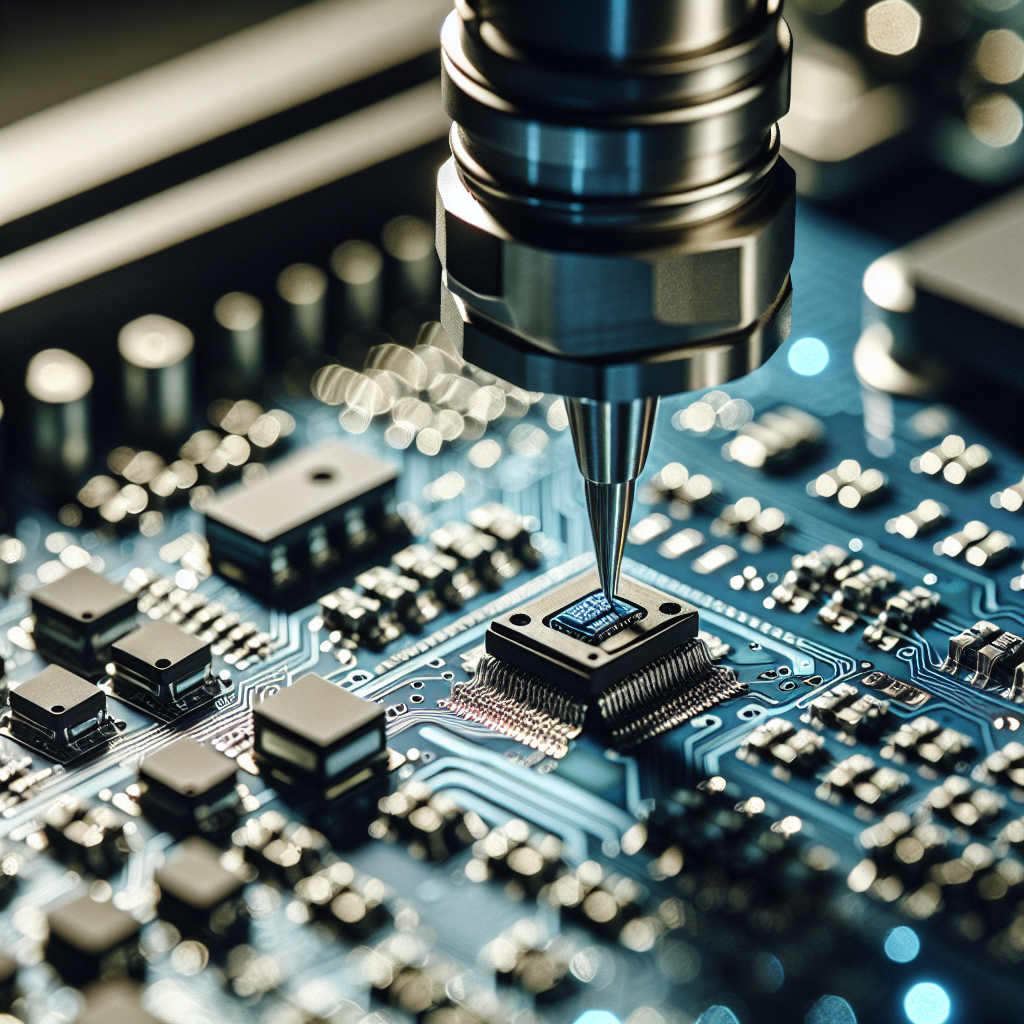
Through-hole components have leads that pass through holes in the PCB and are soldered on the opposite side. Assembly can be manual (hand soldering), semi-automated (manual insertion with wave soldering), or fully automated for high-volume production.
Through-Hole Advantages
Mechanical strength is the primary advantage. Through-hole solder joints create a physical anchor through the board, providing superior resistance to mechanical stress, vibration, and thermal cycling. Connectors, transformers, large capacitors, and components that experience mechanical force during use are more reliable in through-hole configuration.
Higher power handling capability comes with the larger component bodies and lead frames of through-hole parts. High-power resistors, large inductors, and high-current connectors are often available only in through-hole packages or offer better thermal performance in through-hole form factors.
Easier manual prototyping and rework makes through-hole attractive for prototype development. Engineers can insert and remove through-hole components with basic soldering tools, while SMT rework often requires hot air stations and specialized equipment.
Mixed Technology: The Practical Reality
Most production PCBs use both technologies. The bulk of the components — resistors, capacitors, ICs, and small semiconductors — are SMT for density and cost efficiency. Connectors, power components, and mechanically stressed parts use through-hole for strength and reliability.

Mixed technology boards require careful DFM planning. The assembly sequence matters: SMT components are typically placed and reflowed first, followed by through-hole insertion and selective or wave soldering. Component placement must account for the thermal profiles of both processes without damaging previously soldered SMT components.
How Process Choice Affects Cost
Assembly method choice is an economic decision as much as a technical one. SMT setup costs are higher (stencils, pick-and-place programming, reflow profiling) but per-unit costs are lower due to automation speed. Through-hole setup is simpler but per-unit costs are higher due to manual handling.
The crossover point depends on complexity. For a simple board with 20 components, the SMT setup cost may not be justified below 100 units. For a complex board with 200 components, SMT is more economical even at quantities as low as 10.
Making the Right Choice
When discussing your product with your contract electronics manufacturer, the assembly process should be a design input, not an afterthought. At Roanoke Electronic Controls, our SMT and through-hole assembly capabilities let us recommend the optimal process for each product based on technical requirements, production volume, and cost targets. Request a quote to discuss the right assembly approach for your product.
Ready to Build Your Custom Electronics?
From concept to production, Roanoke Electronic Controls delivers complete custom electronics manufacturing solutions.
Request a Quote