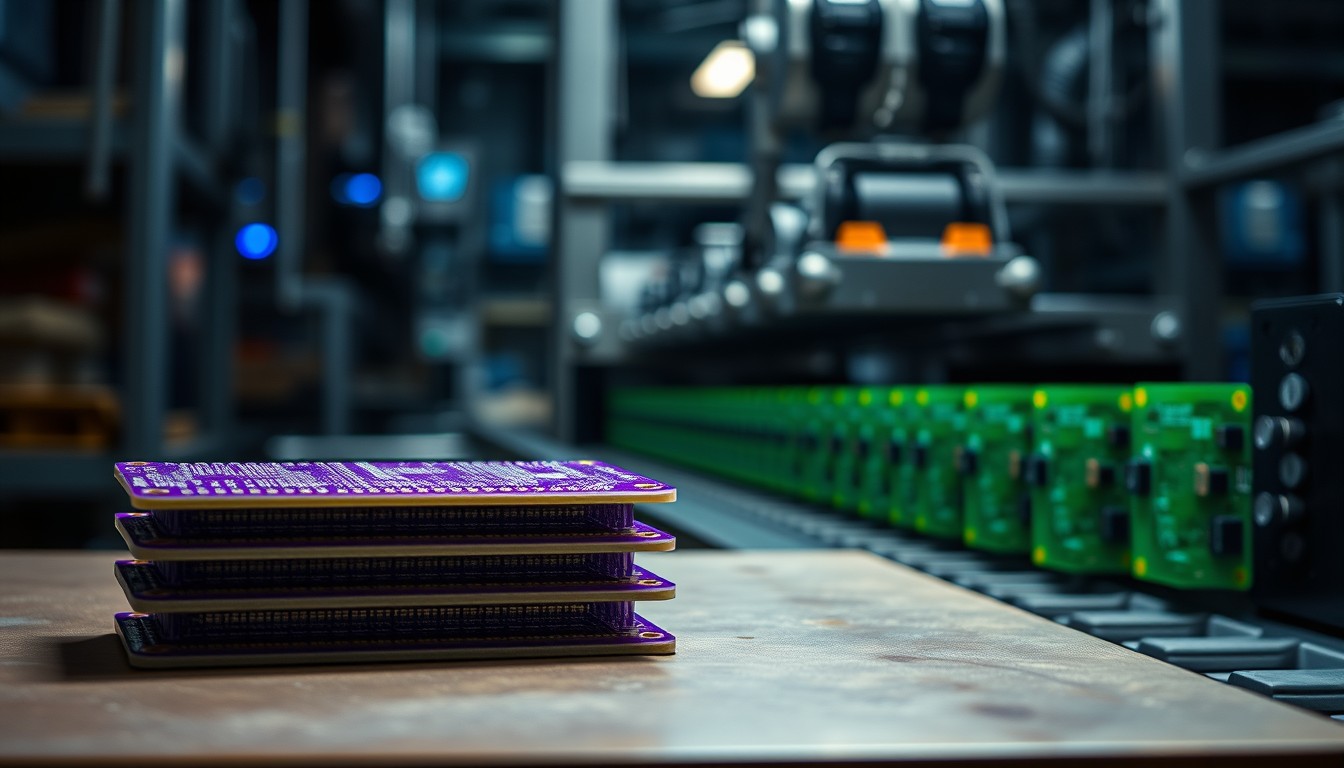
Something has shifted in electronics over the last couple of years. AI copilots now sit inside schematic and layout tools. Language models write firmware, suggest parts, and explain datasheets at two in the morning. A designer who used to spend a month getting a first board together can have files ready to send out in days, and people who never would have attempted a custom board are now designing their own.
We think that's great. More ideas are making it off the whiteboard than ever before. But it raises a question that's easy to miss in the excitement: once the prototype works, who builds the next thousand?
For Prototypes, Go Straight to the Board Houses
Here's something you might not expect a manufacturer to say: for your first few boards, you probably shouldn't call us. We don't run a board fab of our own, and for a five-piece prototype run nobody beats the online board houses on speed and price.
- PCBWay turns prototype boards around quickly and can assemble a small run for you, which is handy when the design is full of fine-pitch parts you'd rather not hand-solder.
- OSH Park pools small designs onto shared panels, so a few bare boards cost very little. It's ideal for iterating on a layout until it's right.
Order boards, build them up, find what's wrong, fix it, and order again. That loop is where a design earns its keep, and these services make every lap cheap. Run it as many times as it takes.
The Prototype Is Not the Product
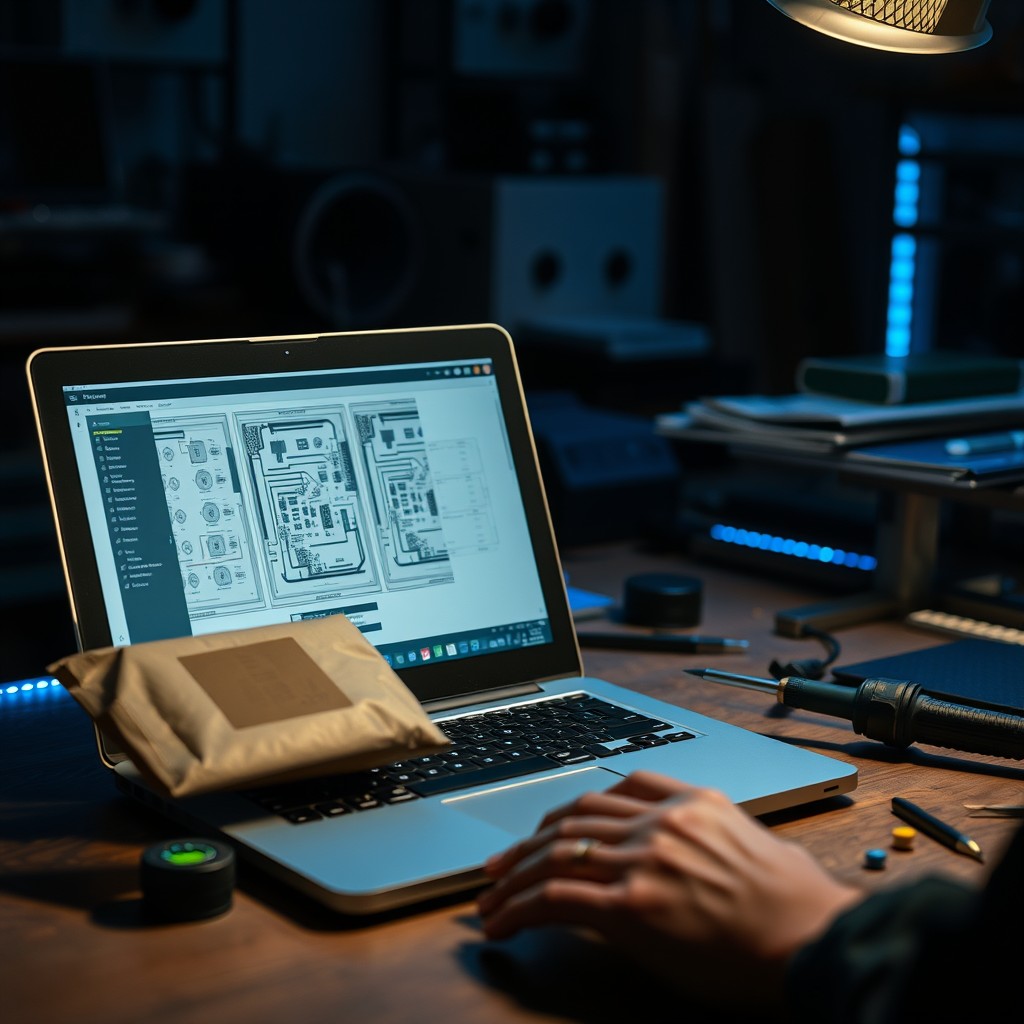
A board that works on your bench proves the idea. It doesn't prove the product. Going from five boards to five thousand brings a different set of problems, and most of them live on the factory floor rather than in the design files, which is exactly where AI tools can't see yet. (We walked through the full journey in From Prototype to Production.)
Parts You Can Still Buy Next Year
AI assistants are good at finding a part that meets a spec. They're much less good at knowing it's headed for end-of-life, sits on a 40-week lead time, or is stocked by a single distributor. A prototype can be built from whatever is in stock this week. A production run needs a bill of materials you can buy again a year from now, with alternates qualified before you need them.
Details That Pass DRC but Fail on the Line
A design rule check confirms the board can be fabricated. It doesn't confirm the board can be assembled well a thousand times in a row. Missing fiducials, pad shapes that tombstone small passives, connectors too close to the edge for the conveyor, parts that won't survive the wave: none of it shows up when you build five boards by hand.
Footprints deserve a second look too. An AI-assisted library can produce a footprint that looks right and doesn't match the datasheet. A patient person with a soldering iron can coax a part onto a slightly wrong land pattern. A pick-and-place machine can't. Catching this before the first run is the whole point of a design for manufacturability review.
Testing Every Board, Not Just Yours
On the bench, you test a board by using it. In production, every board needs a fast, repeatable test that catches a cold joint or a wrong part before it ships. That means test points designed into the layout and, often, a purpose-built test fixture.
The Thousandth Board Has to Match the First
Consistency doesn't happen by accident. It takes documented procedures, controlled processes, traceability when something does go wrong, and an outside auditor to keep everyone honest.
Where REC Comes In
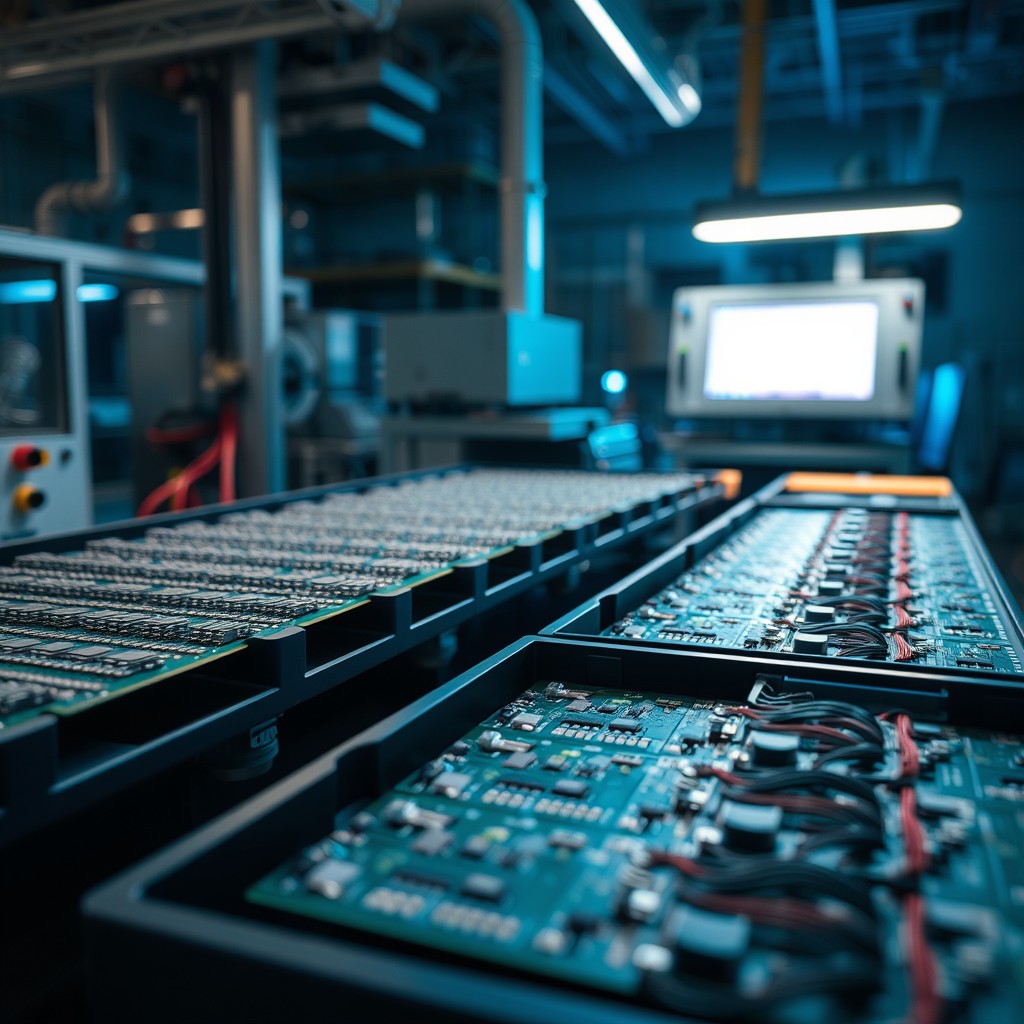
This is the part of the journey we're built for. Roanoke Electronic Controls is an ISO 9001:2015 registered manufacturer, and taking proven designs into production is what our floor does every day.
- A design review before the first run. Our engineers go through your files for manufacturability, part availability, and testability, and tell you what we'd change and why. Whether AI helped draw the board or not, the review is the same.
- Boards and parts, sourced for you. For production we buy the bare boards from our fabrication partners and every component on the bill of materials, manage lead times, and qualify alternates so your build holds up through the next supply crunch. You send files, not a pile of parts.
- SMT and through-hole under one roof. Automated pick-and-place, wave soldering, and hand assembly by Navy-certified solderers handle mixed-technology boards without splitting the job across vendors.
- 100% electrical testing. Every board we build is tested before it ships, with fixtures and procedures developed for your product.
- Coating and final assembly. If your product lives somewhere harsh, we can add conformal coating and finish the assembly before it leaves the building.
- A quality system you can audit. Documented procedures, department-by-department tracking on the floor, and scheduled ISO audits.
And when you call, you talk to an engineer. We've never had a traditional sales team.
What to Bring Us
The more of your prototype work you bring, the faster we can quote and the fewer surprises on the first run:
- Gerber and drill files, plus your native design files if you have them
- A bill of materials with manufacturer part numbers, not just values
- Pick-and-place (centroid) data and an assembly drawing
- A working prototype, and notes on what you changed along the way
- How you test it today, even if that's "plug it in and see if the light comes on"
- Expected annual volume and when you need the first production boards
Design Fast, Build Right
AI has made the first half of the journey faster than anyone expected. The second half still runs through a factory floor, a quality system, and people who have built a lot of boards. Use the tools to get to a working prototype as fast as you can. Then, when you're ready to move past five boards, tell us about your project. We'll help you get it into production.
Ready to Build Your Custom Electronics?
From concept to production, Roanoke Electronic Controls delivers complete custom electronics manufacturing solutions.
Request a Quote